Take this to the table
Let coffee be a moment in the meal, rather than an automatic order made while asking for the bill.
A small object with a visible process
Le Monde’s guide to the Vietnamese phin describes a perforated metal filter placed over a cup or glass. Hot water passes slowly through the grounds under gravity. It is a compact piece of equipment, but it makes the passing of time visible: you can watch the drink being made, drop by drop.
The appeal is easy to understand even before you take a sip. A process that asks you to wait can change the character of a break. Instead of treating the drink as something to collect on the way elsewhere, you have a reason to stop where you are.
Reporting: Le Monde
A living coffee culture
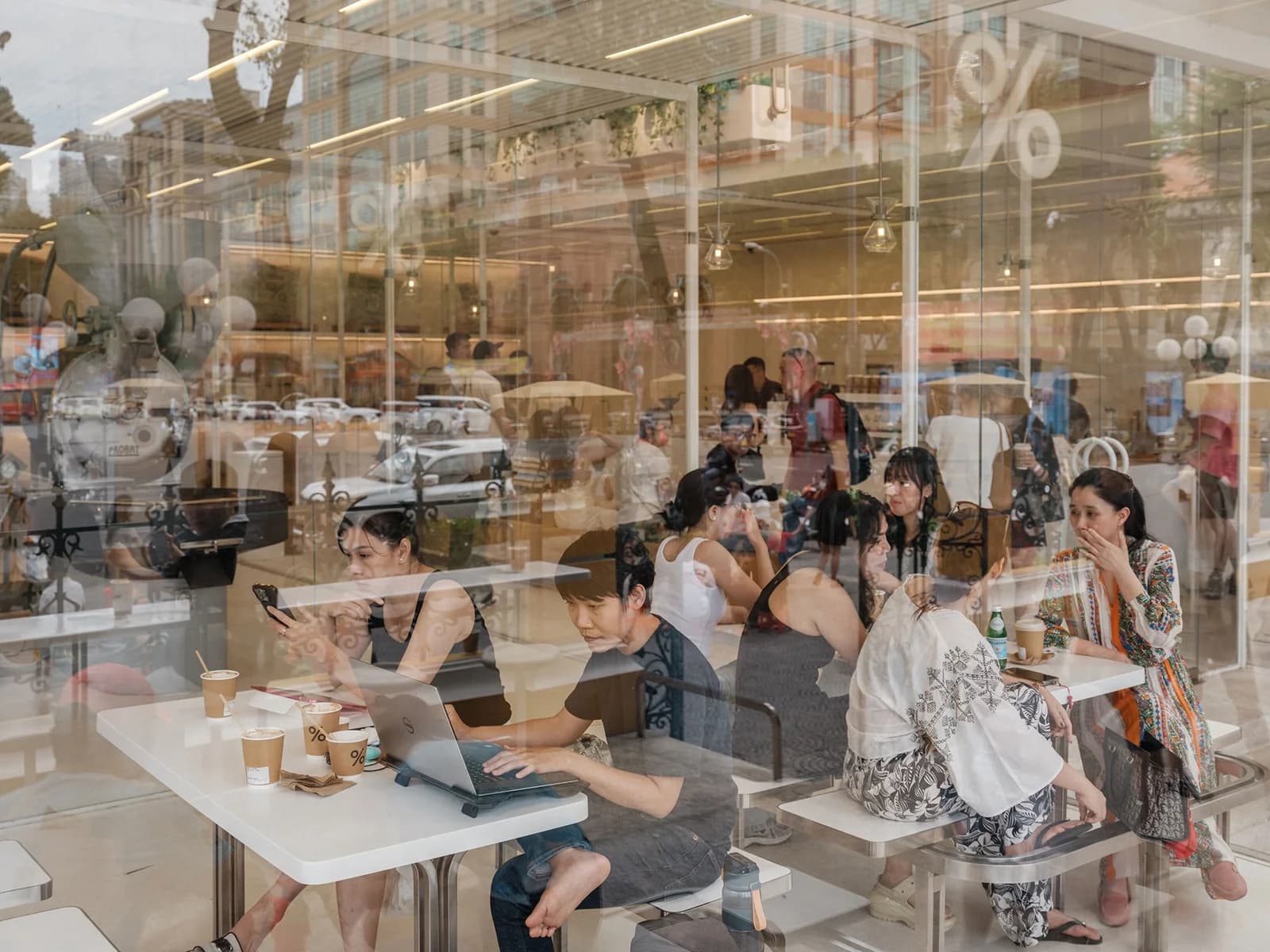
National Geographic’s 2026 reporting describes coffee as a social fixture in Vietnam, with customers lingering to talk and spend time together. It also follows a newer generation of producers, roasters and café owners experimenting with ingredients and ways of serving coffee. The story includes both everyday habits and contemporary craft.
That is a more useful picture than the idea that every Vietnamese coffee must look or taste the same. A tradition can be recognisable and open to invention. When you read about a café, look for whose choices are shaping it: the grower, the roaster, the person making the drink and the people returning to sit there.
Reporting: National Geographic
Learn three names before your next cup
Cà phê sữa đá is the iced coffee with milk encountered in National Geographic’s reporting. Cà phê trứng is egg coffee, whose whipped egg-and-sugar topping the report connects with milk shortages in the 1940s. The phin is the brewing device, not a flavour or a guarantee of sweetness. Keeping those distinctions in mind makes a drinks list easier to read.
The same reporting follows Vietnamese coffee beyond a single bean or recipe, including Arabica from Son La and Da Lat as well as Robusta. It describes experimentation with coconut, salt and other ingredients. Those are examples of the wider coffee scene, not a list of drinks available at Pho District.
Our own suggestion for tasting is to separate three questions: what do you smell, what do you taste and how does the drink feel? A cold drink can seem different as the ice melts, while a hot one changes as it cools. Give it a little time before deciding whether the first sip tells the whole story.
Reporting: National Geographic
Choose your ending at Pho District
Our drinks menu includes Vietnamese Hot Coffee, Vietnamese Iced Coffee and Salted Coffee. Start with the occasion. Would you like a warm finish to dinner, something over ice, or a chance to try the salted option? Ask the team about the preparation and sweetness if you have a particular preference.
We keep those choices in the menu cards below, with the current prices. The phin illustration explains a Vietnamese brewing tradition; it is not a promise that every coffee on our menu is brewed or presented in the same way. The most helpful question is what you would enjoy drinking today.
Turn the last drink into part of the visit
If you usually leave as soon as the main plates are cleared, try allowing a little time afterwards. A coffee can be the point where a meal changes pace and the conversation stops competing with decisions about what to order.
You do not need to make it a tasting lesson. If friends choose different drinks, compare what you notice—aroma, temperature, sweetness or texture—without searching for a correct answer. Curiosity is enough. And if coffee is not for you, the drinks menu offers other ways to finish at your own pace.
Sources & further reading
Background reporting for this story. Menu recommendations and tasting suggestions are our own.
- Le filtre à café vietnamienLe Monde · 9 March 2024 · French
- A caffeine-fueled journey through Vietnam’s rich coffee cultureNational Geographic · 7 January 2026